
What Makes Rwanda Unique for Tourism 2026-2027

Things to do in Maasai Mara National Reserve Kenya
March 28, 2026
Is Uganda cheaper than Rwanda for a Safari 2026
March 30, 2026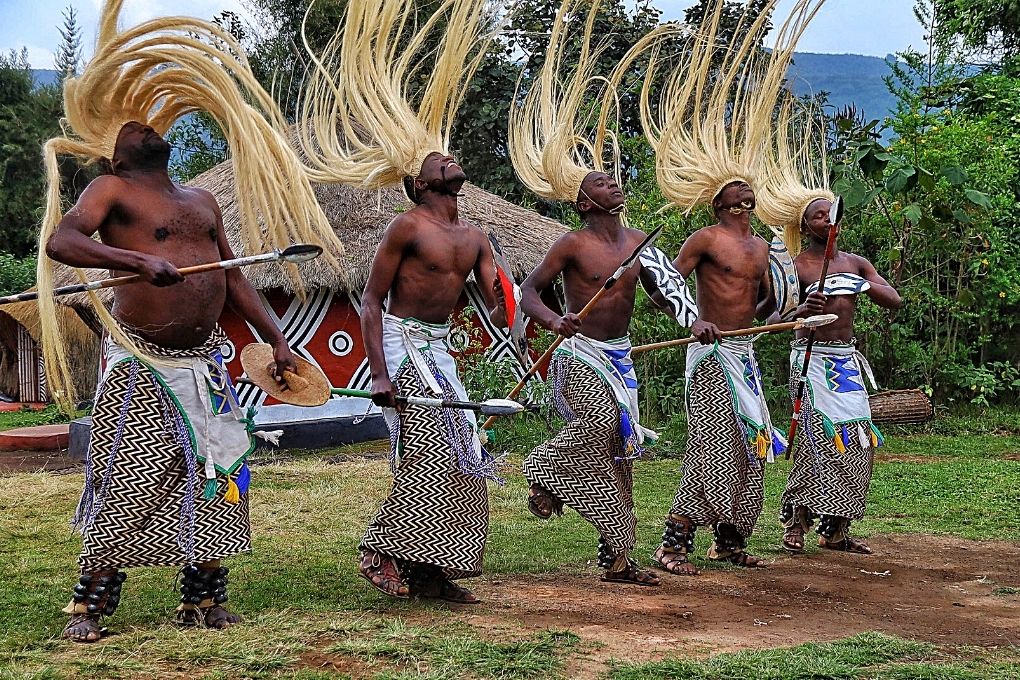
What Makes Rwanda Unique for Tourism 2026-2027: Discover the Land of a Thousand Hills and Unforgettable Adventures
What Makes Rwanda Unique for Tourism 2026-2027: Rwanda, often called the “Land of a Thousand Hills,” stands out as one of Africa’s most captivating and unique tourism destinations. Nestled in East Africa, this small but incredibly diverse country offers a perfect blend of world-class wildlife encounters, breathtaking landscapes, rich culture, and sustainable tourism practices that few other places can match. Unlike typical safari destinations focused solely on the Big Five, Rwanda delivers intimate, responsible experiences that emphasize conservation, community involvement, and eco-friendly travel. From trekking with endangered mountain gorillas to exploring pristine rainforests and savannas, Rwanda tourism appeals to adventure seekers, nature lovers, and cultural enthusiasts alike.
What truly sets Rwanda apart is its remarkable transformation into a safe, clean, and welcoming nation that prioritizes high-quality, low-impact tourism. With only three countries worldwide offering mountain gorilla trekking, Rwanda leads in conservation success stories, making it a bucket-list destination for responsible travelers. Whether you’re planning a Rwanda safari or seeking unique Rwanda attractions, the country’s commitment to sustainability and visitor satisfaction creates memories that last a lifetime. In this comprehensive guide, we explore what makes Rwanda unique for tourism 2026-2027, highlighting its must-see experiences, practical tips, and how expert operators like Wild Planet Safaris can help you craft the perfect itinerary.
What Makes Rwanda Unique for Tourism 2026-2027 Introduction to Rwanda’s Unique Tourism Appeal
Rwanda’s uniqueness begins with its dramatic geography. Rolling hills covered in lush greenery stretch as far as the eye can see, earning it the poetic nickname “Land of a Thousand Hills.” This compact nation of just 26,338 square kilometers packs an astonishing variety of ecosystems into one accessible package: misty volcanic mountains in the north, ancient rainforests in the south, and expansive savanna plains in the east. Unlike larger African countries where vast distances separate attractions, Rwanda allows seamless multi-park itineraries, making it ideal for first-time safari-goers or those with limited time.
Safety and cleanliness further distinguish Rwanda. It ranks among Africa’s safest destinations, with low crime rates and efficient infrastructure. Community-led cleanliness campaigns, including a nationwide plastic bag ban since 2008, keep the country pristine. English is widely spoken, and the warm Rwandan hospitality known as “ubudehe”—makes every visitor feel at home. Tourism here isn’t just about sightseeing; it supports gorilla conservation funds that have helped the mountain gorilla population rebound significantly.
Rwanda tourism has grown rapidly, becoming a leading foreign exchange earner. The focus on premium, sustainable experiences ensures high-value, low-volume tourism that protects natural resources while benefiting local communities. For those seeking authentic adventures, partnering with reputable operators like Wild Planet Safaris is essential. Their expertise in Rwanda safari planning ensures seamless logistics, ethical practices, and unforgettable encounters tailored to your interests. Whether it’s your first gorilla trek or a multi-park wildlife odyssey, Wild Planet Safaris handles permits, accommodations, and transfers with professionalism and passion for conservation.
Mountain Gorilla Trekking in Volcanoes National Park: A Once-in-a-Lifetime Encounter
No discussion of what makes Rwanda unique for tourism would be complete without highlighting mountain gorilla trekking in Volcanoes National Park. Home to roughly one-third of the world’s remaining mountain gorillas, this UNESCO site in the Virunga Mountains offers an intimate, life-changing experience. Visitors trek through bamboo forests and volcanic slopes to spend one magical hour with habituated gorilla families. The $1,500 gorilla permit (for non-African residents) funds conservation, anti-poaching, and community projects, making every trek a direct contribution to species survival.
What sets Rwanda’s gorilla trekking apart is its accessibility and success rate. Groups are limited to eight people per family, ensuring minimal disturbance. Treks last 2–6 hours depending on the gorillas’ location, but the reward—watching silverbacks chest-beat, playful juveniles tumbling, and mothers cradling infants—is unparalleled. Volcanoes National Park also offers golden monkey trekking, a lively alternative featuring acrobatic primates unique to the region.
The park’s dramatic backdrop of five volcanoes, including the active Mount Nyiragongo, adds adventure. Hike to Dian Fossey’s grave or explore lava caves for deeper cultural and geological insights. Luxury lodges like Bisate or Sabyinyo provide volcano views and spa-like comfort after a muddy trek. For seamless planning, Wild Planet Safaris arranges gorilla permits (often booked 6–12 months ahead) and pairs them with expert trackers and comfortable transfers. Their Rwanda safari packages emphasize responsible tourism, ensuring your visit supports long-term gorilla protection while delivering personalized, high-quality service and this decides What Makes Rwanda Unique for Tourism 2026-2027.
Akagera National Park: Classic Savanna Safari Meets Rwanda’s Rebirth
Akagera National Park showcases Rwanda’s remarkable conservation revival, making it another pillar of unique Rwanda tourism. Once depleted by war and land use, this eastern savanna park has been restored through reintroduction programs. Today, it delivers classic African game drives with the Big Five—lions, elephants, leopards, buffalo, and black rhinos—alongside hippos, giraffes, and over 500 bird species.
Game drives wind through acacia woodlands, papyrus swamps, and lakes, offering excellent wildlife viewing without the crowds of larger East African parks. Boat safaris on Lake Ihema provide close encounters with crocodiles and waterbirds, while walking safaris add an adventurous twist. Akagera’s location near the Tanzanian border creates a perfect contrast to the mountainous north, allowing diverse Rwanda safari itineraries in just a few days.
What makes Akagera special is its story of resilience. Community involvement in conservation has turned former cattle-grazing lands into thriving wildlife habitats. Luxury tented camps and lodges overlook the plains, blending comfort with authentic safari vibes. Wild Planet Safaris excels here, offering private 4×4 vehicles, knowledgeable guides, and flexible schedules that maximize sightings. Their expertise ensures ethical wildlife viewing while supporting local employment and habitat restoration—key reasons Rwanda stands out in sustainable tourism.
Nyungwe Forest National Park: Primate Paradise and Canopy Adventures
Nyungwe National Park, one of Africa’s oldest rainforests, delivers another layer of uniqueness to Rwanda tourism. Declared a national park in 2004, it protects 13 primate species, including chimpanzees and colobus monkeys, alongside 300+ bird species, orchids, and butterflies. Chimpanzee trekking here offers a thrilling contrast to gorilla encounters—expect energetic, vocal troops moving through towering trees.
The park’s 160-foot canopy walkway provides jaw-dropping views of the forest canopy, a highlight for adventure travelers. Hiking trails wind through montane rainforest, waterfalls, and tea plantations, offering birdwatching, butterfly spotting, and cultural interactions with local communities. Nyungwe’s biodiversity—over 1,000 plant species—makes it a botanist’s dream and a photographer’s paradise.
Sustainable practices shine here too: community-led tourism ensures locals benefit directly. Wild Planet Safaris integrates Nyungwe seamlessly into multi-park Rwanda safari packages, combining chimp tracking with the canopy walk and comfortable eco-lodges. Their guides share insights into forest ecology and conservation, enriching every visit.
What Makes Rwanda Unique for Tourism 2026-2027 discovering Cultural Treasures, Lake Kivu, and Adventure Beyond Wildlife
Rwanda’s appeal extends far beyond safaris. Kigali’s modern vibe mixes with poignant history at the Genocide Memorial, offering powerful lessons in resilience and unity. Traditional dances, Imigongo cow-dung art, and village homestays provide authentic cultural immersion.
Lake Kivu, one of Africa’s Great Lakes, offers beach relaxation, kayaking, and island hopping—perfect for unwinding after trekking. Adventure seekers enjoy volcano hikes, mountain biking, and coffee tours in the hills.
These experiences highlight Rwanda’s holistic tourism model: nature, culture, and relaxation in one safe, compact destination.
What Makes Rwanda Unique for Tourism 2026-2027 exploring Conservation Leadership and Sustainable Tourism
Rwanda leads Africa in eco-tourism. Gorilla conservation fees have boosted populations, while community projects fund schools and healthcare. Plastic-free policies and green initiatives keep the environment pristine.
This commitment ensures future generations can enjoy these wonders, setting Rwanda apart from mass-tourism destinations.
What Makes Rwanda Unique for Tourism 2026-2027 Practical Tips for Your Rwanda Safari
Visit during dry seasons (June–September, December–February) for optimal trekking. Book gorilla permits early via official channels or trusted operators. Pack layered clothing, sturdy boots, and rain gear. Visas are straightforward for many nationalities.
Wild Planet Safaris simplifies everything—from permits to luxury lodges—ensuring a stress-free, ethical journey.
Conclusion: Why Rwanda Should Be Your Next Destination
What Makes Rwanda Unique for Tourism 2026-2027: Rwanda’s uniqueness lies in its harmonious blend of world-class wildlife, stunning landscapes, cultural depth, and unwavering commitment to conservation and sustainability. Whether trekking gorillas in Volcanoes National Park, spotting the Big Five in Akagera, or exploring Nyungwe’s canopy, every moment feels exclusive and meaningful. Safety, cleanliness, and genuine hospitality elevate the experience, making Rwanda ideal for discerning travelers seeking more than a standard safari.
For the ultimate Rwanda tourism adventure, trust experts like Wild Planet Safaris. Their personalized packages, conservation focus, and local knowledge turn dreams into reality. Book your Rwanda safari today and discover why this Land of a Thousand Hills captures hearts and inspires change.
Ready to experience Rwanda’s magic? Contact us at Wild Planet Safaris for tailor-made itineraries that celebrate this extraordinary destination.


